
Compare Local Contractors for Home Surveillance Installation
Compare local contractors to define your surveillance needs, verify experience, and set clear expectations for a secure, reliable home monitoring system.
Home surveillance installation and service typically involve assessing a property’s security needs, selecting appropriate equipment, and installing cameras, sensors, and related devices. Contractors may handle various aspects such as wiring, mounting cameras, configuring system settings, and ensuring integration with existing security components. Clear communication about the scope of work helps property owners understand what is included, whether it’s just camera placement or comprehensive system setup, and ensures that the installation meets the specific security goals of the property.
Defining the scope of a home surveillance project is essential for setting realistic expectations and avoiding misunderstandings. A detailed scope outlines the specific tasks the contractor will perform, the types of equipment to be installed, and any additional services such as system testing or user training. Having these details in writing provides a reference point for both property owners and service providers, helping to confirm that everyone is aligned on the project’s objectives and deliverables. This clarity can prevent scope creep and ensure that the work completed matches the property owner’s security needs.
When comparing local contractors for home surveillance services, property owners should consider factors such as experience with similar projects, the range of services offered, and the level of professionalism demonstrated during initial consultations. It’s helpful to verify that contractors have a good understanding of current surveillance technologies and can provide references or examples of past work. Gathering multiple proposals allows property owners to evaluate how each contractor defines the scope of work and to identify the most comprehensive and clear plan. Focusing on transparency and communication during the comparison process can lead to a more successful installation that aligns with security expectations.
Compare local contractors by outlining your priorities, verifying experience, and clarifying scope and expectations in writing.
- Compare Contractors - evaluate multiple service providers to find the best match for your surveillance needs.
- Define Scope Clearly - specify the desired security features and system coverage to set clear expectations.
- Verify Experience - review the background and previous work of local contractors to ensure reliability.
- Document in Writing - create detailed agreements outlining work scope and responsibilities for clarity.
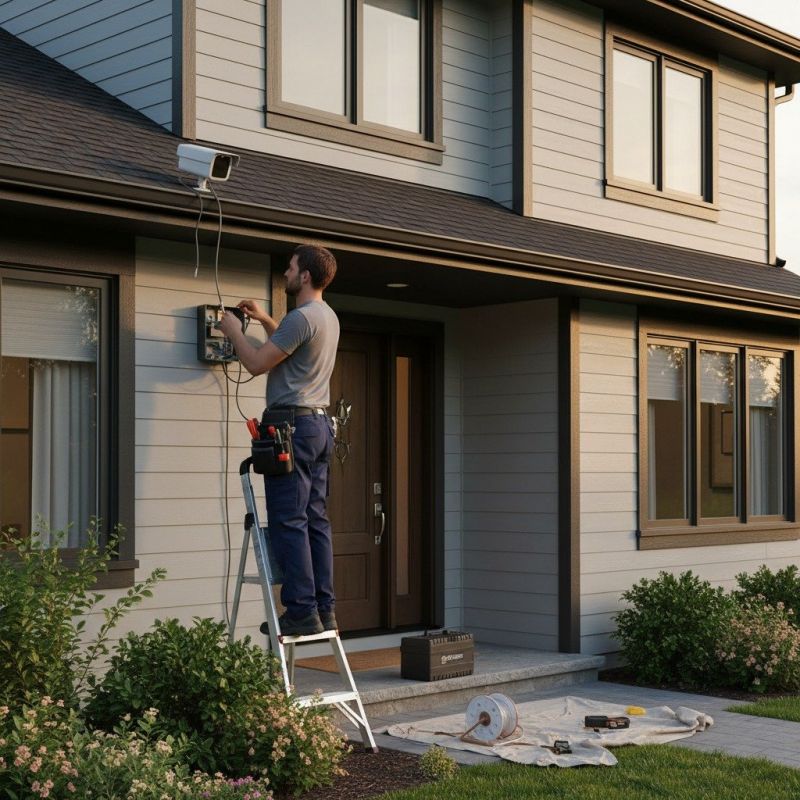
Clearly describe your home surveillance project to effectively compare local contractors, verify experience, and set expectations in writing.
- Verify the experience and expertise of local contractors in installing and managing home surveillance systems.
- Compare the scope of services offered by different service providers to ensure all security needs are addressed.
- Define the specific features and coverage areas required for the surveillance system in written agreements.
- Assess the types of equipment and technology used by local contractors to ensure compatibility and reliability.
- Check if service providers offer ongoing support, maintenance, and system updates as part of their offerings.
- Ensure that all project details, responsibilities, and expectations are clearly documented in the contract.
Use this to compare local contractors, clarify project scope, verify experience, and set clear expectations.
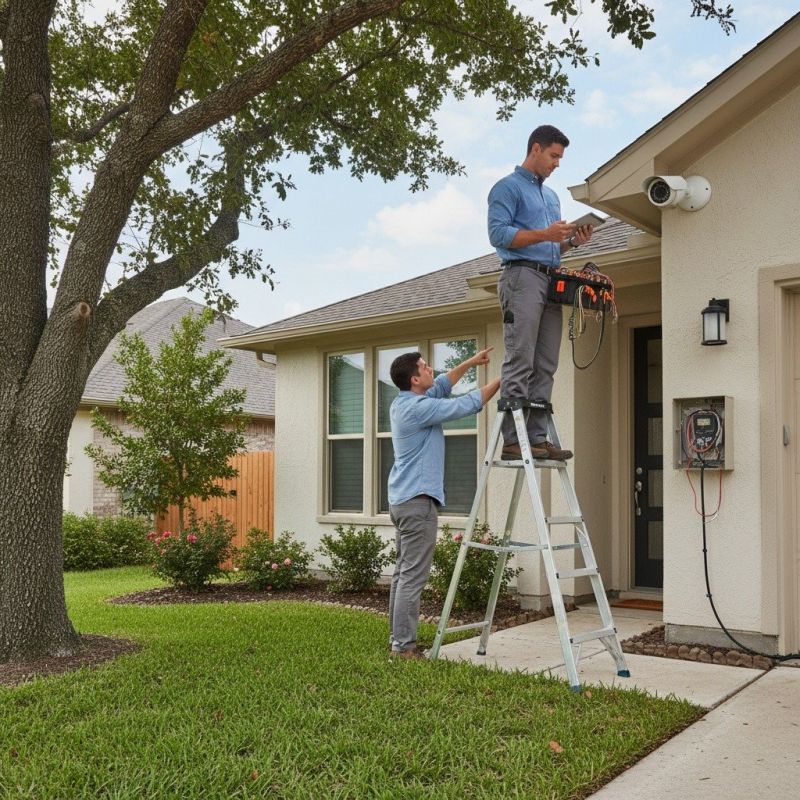
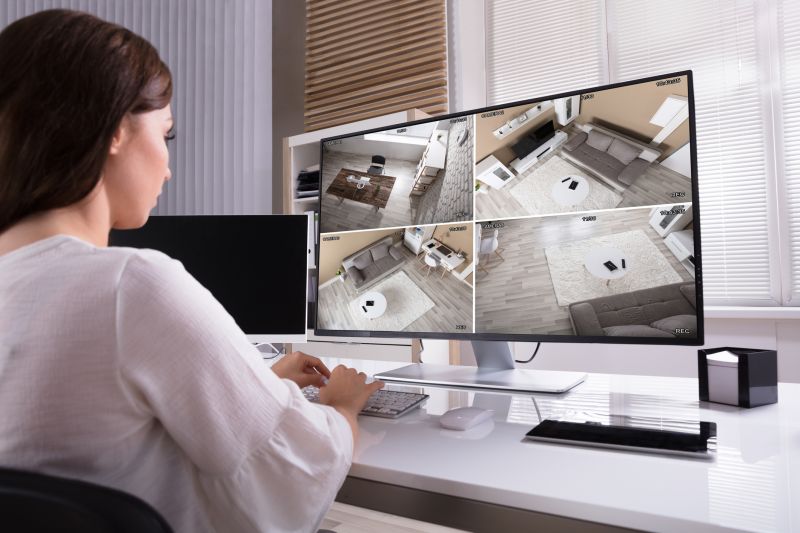
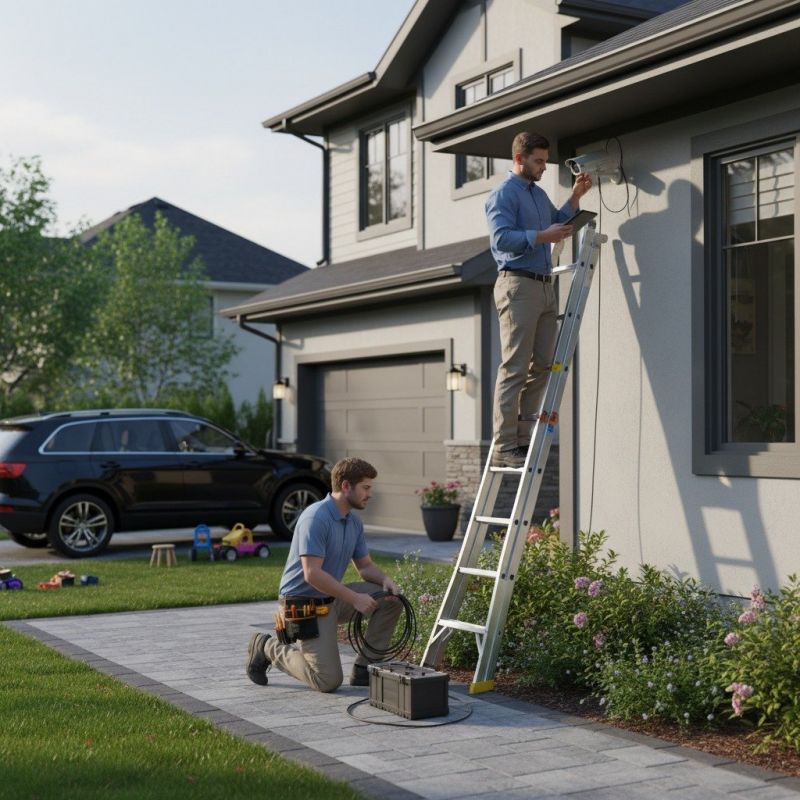
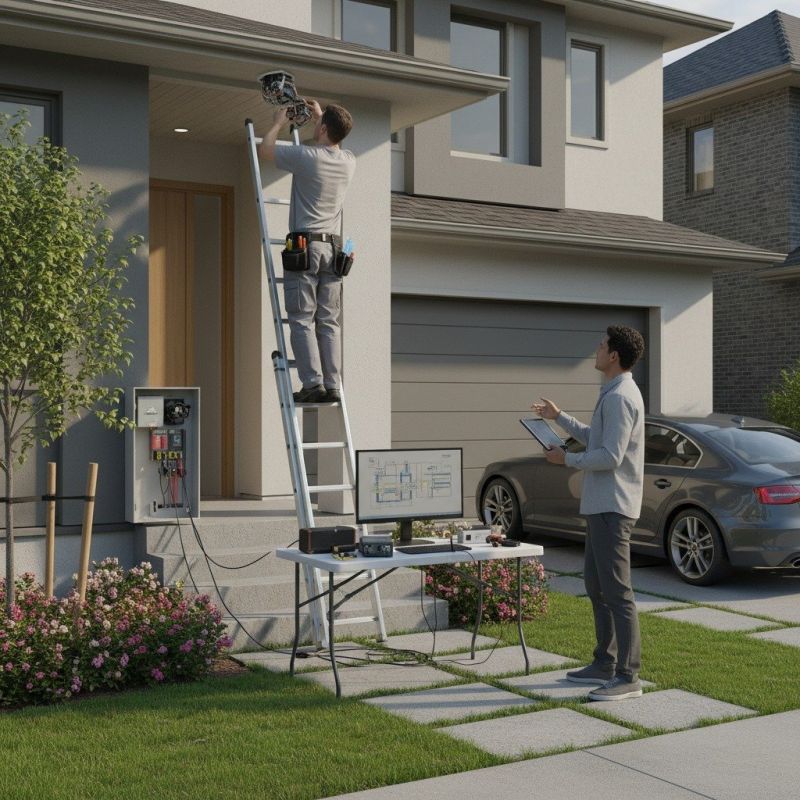
Use this scope builder to compare local contractors consistently by clearly defining work details and verifying experience.
- Scope Definition - clearly outline the specific surveillance system components and coverage areas required for the property.
- Experience Verification - confirm that local contractors have relevant experience with similar home surveillance installations.
- Service Expectations - specify the desired features, such as camera types, recording capabilities, and remote access.
- Installation Requirements - determine the preferred installation methods, locations, and any integration with existing security systems.
- Documentation of Work - ensure all project details, including scope and responsibilities, are documented in writing for clarity.
When comparing contractors for a home surveillance service, it’s important to assess their experience with similar projects. Homeowners should inquire about the types of surveillance systems the contractors have installed in the past and whether they have worked with properties comparable in size, layout, or security needs. Contractors with a history of successful installations in residential settings are more likely to understand the nuances of different property types and can offer insights based on prior work. This background can help ensure that the chosen service provider has relevant hands-on experience tailored to the specific requirements of the home.
A clear, written scope of work is essential when evaluating different service providers. Homeowners should seek detailed descriptions of what the installation or upgrade will include, such as the number of cameras, placement strategies, wiring, and integration with existing systems. A well-defined scope helps prevent misunderstandings and sets clear expectations about what the contractor will deliver. It also provides a basis for comparing the comprehensiveness of different proposals, ensuring that each contractor’s offerings align with the homeowner’s security goals.
Verification basics are key to confidently selecting a service provider. Homeowners should verify that contractors have a proven track record of completed projects, which can often be demonstrated through references or project portfolios. Asking about the types of systems previously installed and any relevant project outcomes can help gauge a contractor’s competence. Additionally, confirming that the contractor adheres to industry standards and best practices-such as proper wiring, secure connections, and system reliability-can contribute to a more secure and functional surveillance setup.
Evaluating options without focusing on prices involves examining how each contractor communicates and what they offer. Homeowners should compare the proposed scope of work, the level of detail in their written descriptions, and the clarity of their explanations. It’s also helpful to consider the professionalism and responsiveness of the service providers, as these qualities often indicate their commitment to quality and customer service. By focusing on the experience, scope, and verification aspects, homeowners can make informed decisions that lead to a successful surveillance system installation, connecting with trustworthy local contractors suited to their needs.
Ask contractors to provide written scope details to ensure clear understanding and consistent expectations.
- Experience and Credentials - What specific experience do local contractors have with installing and maintaining home surveillance systems?
- Scope of Work - How do service providers define the scope of surveillance services included in their offerings?
- Equipment Compatibility - What types of surveillance equipment do contractors recommend, and are they compatible with existing systems?
- Warranty and Support - What warranties or support options do local contractors offer for their surveillance installations?
- Project Expectations - How do service providers clarify project scope and set expectations in writing before beginning work?
How can I compare different contractors for home surveillance services? To compare local contractors, review their experience, services offered, and customer feedback. It’s helpful to define the scope of work beforehand and ask for written details to ensure clarity and consistency across providers.
What should I consider when defining the scope of my surveillance project? Clearly outline the areas to be monitored, types of cameras or systems needed, and any specific features or integrations. Providing this information helps contractors deliver accurate proposals and set proper expectations.
How can I verify the experience of home surveillance contractors? Request information about their previous projects, ask for references, and review any available portfolios. Confirm that they have handled similar installations to ensure they understand your requirements.
Why is it important to have the scope of work in writing? Having the scope documented ensures all parties agree on the project details, reduces misunderstandings, and provides a reference point for the work to be performed.
What questions should I ask contractors during the selection process? Inquire about their experience with similar systems, the brands or equipment they recommend, and how they handle troubleshooting or future upgrades. This helps gauge their expertise and approach.
How can I ensure the contractor understands my expectations? Communicate your needs clearly and request a written outline of the work plan. Confirm that all details, including scope and deliverables, are documented before proceeding.
This page has outlined key considerations for selecting contractors to handle home surveillance systems. Visitors learned how to define the scope of their project, verify the experience of service providers, and set clear expectations in writing. These steps can help ensure a smooth process when comparing local contractors and choosing the right partner for the job.
To find the best match for a home surveillance project, using the quote form can facilitate comparisons among local service providers. This allows for an informed decision based on the options available, helping to connect with experienced contractors who can meet specific needs.